
Rainy Season
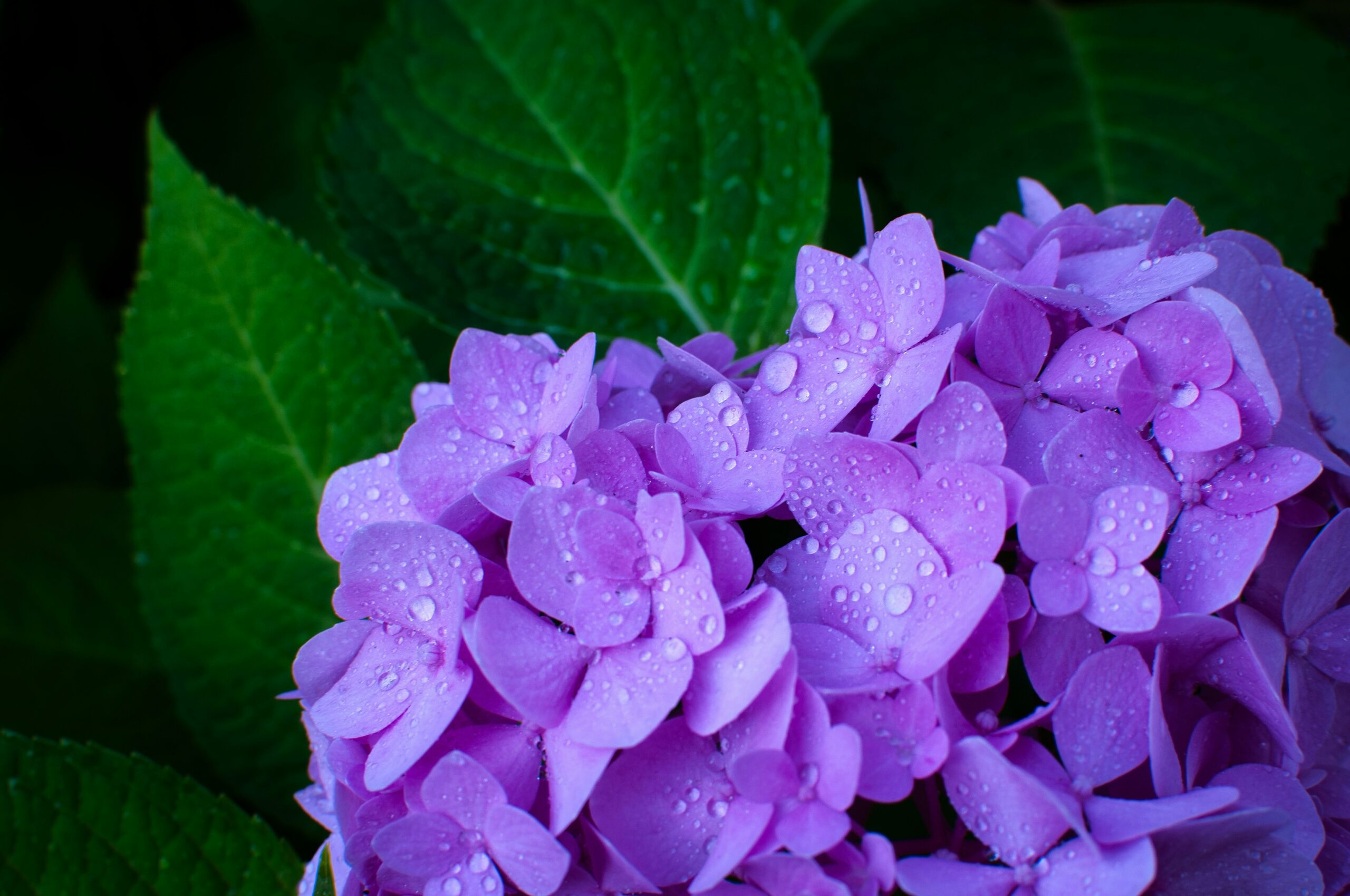
Every year in Japan, there’s a period called Tsuyu (梅雨)—the rainy season—which typically lasts from June to July. During this time, we have many consecutive rainy and humid days. It’s not the most exciting season, but it does bring one beautiful thing: hydrangeas! These flowers bloom during Tsuyu, and I think they look even more stunning with rain-drenched petals than they do under the sun.
ジメジメした /jime-jime shita/ Humid
Today, I’m going to talk about Japanese onomatopoeia for rain—how we describe everything from a light drizzle to a heavy downpour.
雨が________降っています。/ame ga _______ futte imasu./
Let’s try reading the sentence above using the onomatopoeia below.
ぽつぽつ /potsu-potsu/ Small raindrops falling, usually at the beginning of a rainfall.
ぱらぱら /para-para/ Describes the sound and feel of slightly larger raindrops, often at the beginning of a rainfall. Similar to potsu-potsu, but with a heavier sound—like rain hitting an umbrella or rooftop.
しとしと /shito-shito/ Refers to a gentle, steady rain that falls quietly and continuously. Similar to a drizzle.
ざあざあ /zaa-zaa/ Heavy rain falling continuously and with force; often used to describe a downpour.
Express with “〜ような”
叩きつけるような雨 /tatakitsukeru yoona ame/ Rain beating down
バケツをひっくり返したような雨 /baketsu o hikkurikaeshita yoona ame/ Raining buckets
滝のような雨 /taki no yoona ame/ Rain falling like a waterfall
MORE!
土砂降り/doshaburi/ Pouring rain
Onomatopoeia for Lighting
雷がゴロゴロ鳴っています。/kaminari ga goro-goro natte imasu/ The thunder is rambling.
稲妻がピカッと光りました。/inazuma ga pikatto hikarimashita/ The lighting just flashed.
Download the digital book!
Digital book is available here.


コメント