Hello readers! I hope you’re doing well.
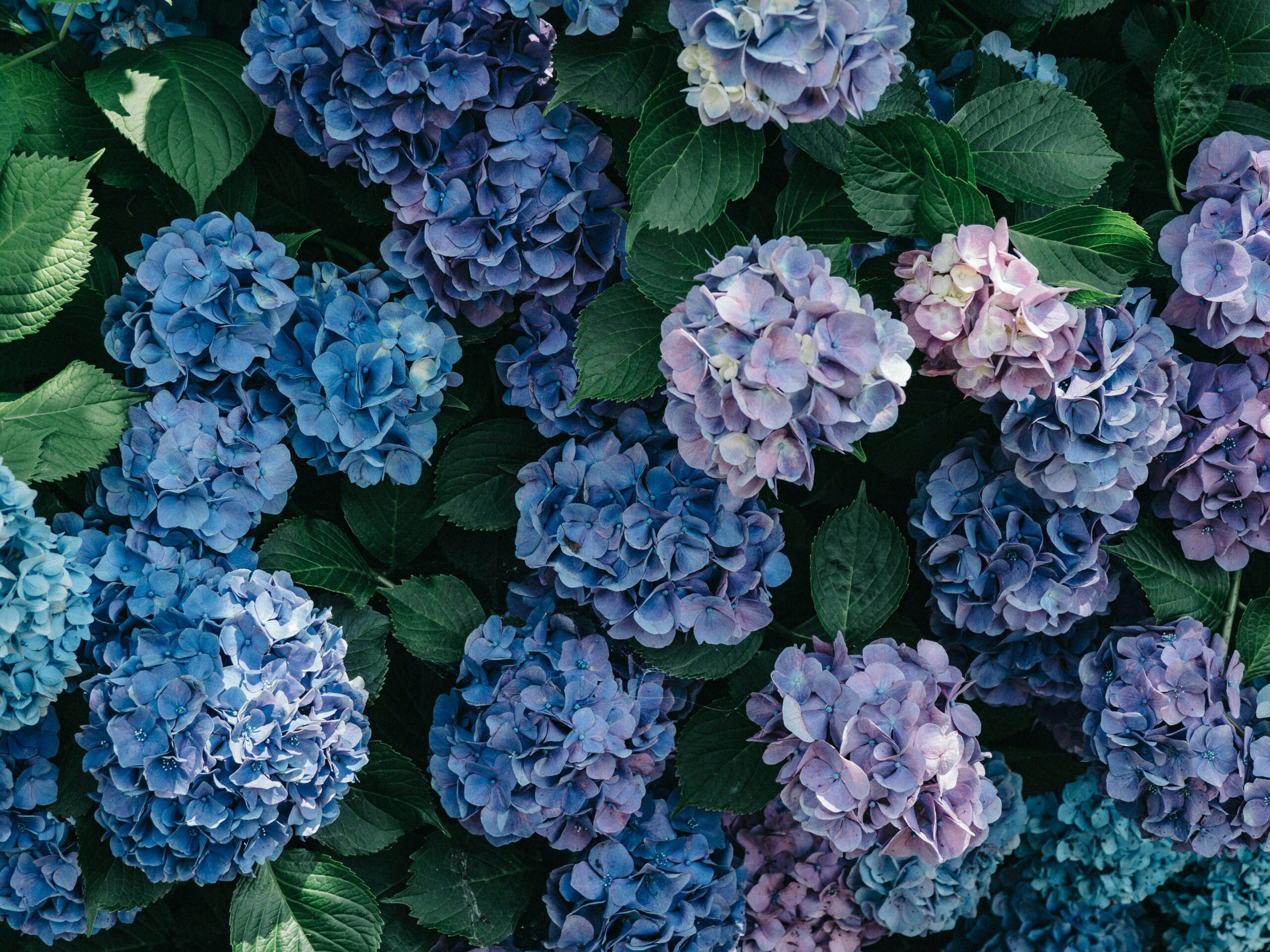
The rainy season started this month, so we’ve been having lots of wet and humid days. Some rainy days feel a little cooler, but overall it has been hot and sticky. I’m not a big fan of summer, so I’m not exactly looking forward to the scorching months ahead. Still, I’m going to do my best to stay cool and enjoy all the delicious seasonal summer foods!
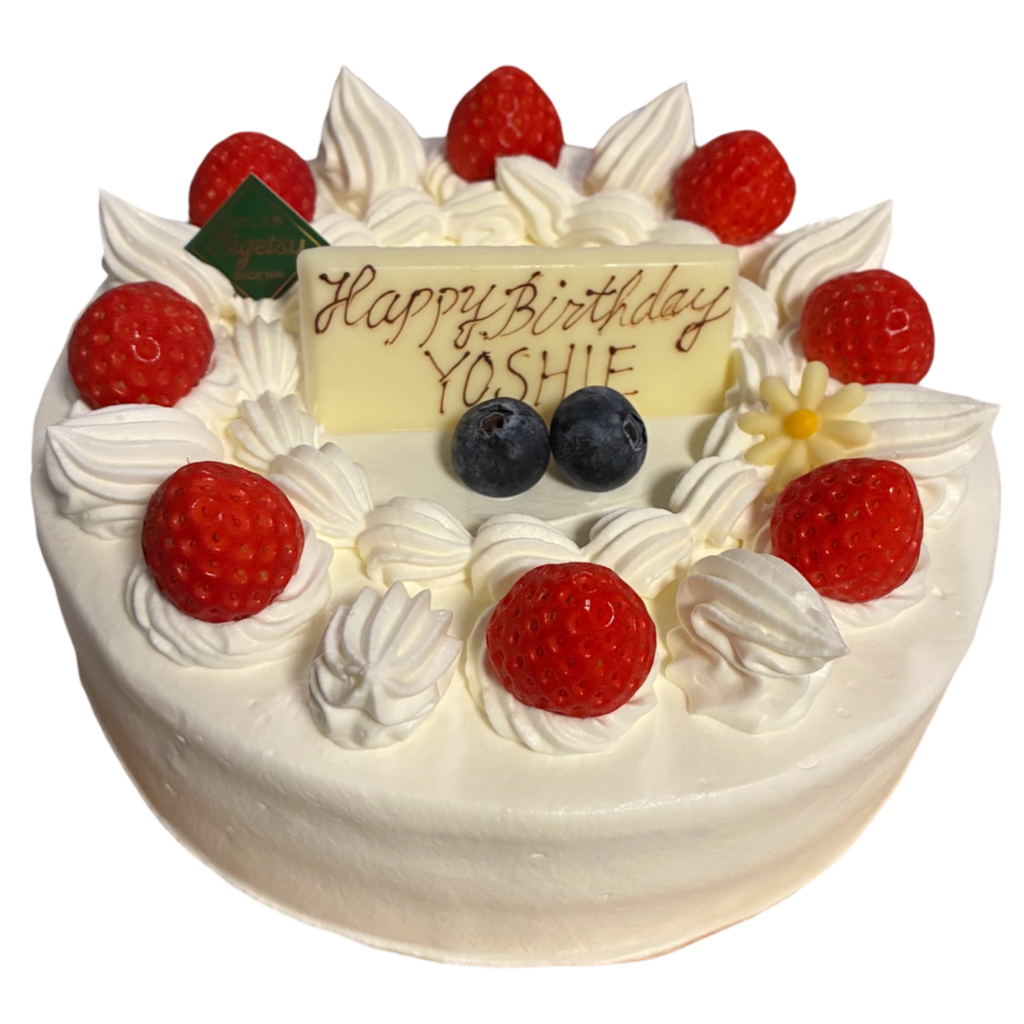
I also celebrated my birthday this month. I had a simple but cosy celebration with my family and received birthday wishes from my dearest friends. I couldn’t have asked for more.
That inspired me to put together this month’s vocabulary list! Whether you’re celebrating your own birthday, talking about getting older, or chatting with Japanese friends, these expressions will help you sound more natural.
Birthday Vocabulary & Expressions
1. 年を取る(としをとる)
Literal meaning: To take years
Natural meaning: To get older; to age
This is the most common and neutral expression for talking about getting older. It simply states the fact that someone has aged.
Compared with the expressions below, 年を取る is direct and conversational.
Examples
- また一つ年を取りました。
I got one year older. - 年を取るにつれて、ますます健康が大切だと感じます。
As I get older, I realise more and more how important good health is.
2. 年を重ねる(としをかさねる)
Literal meaning: To pile up years
Natural meaning: To grow older gracefully; to gain years of experience
Unlike 年を取る, this expression focuses less on ageing itself and more on everything that comes with it—experience, wisdom, maturity, and personal growth.
Because of this positive nuance, it often appears in birthday messages, magazine articles, speeches, and personal essays.
Examples
- 素敵に年を重ねたいです。
I’d like to grow older gracefully. - 年を重ねるごとに、自分らしい生き方が分かってきました。
With each passing year, I’ve come to understand what kind of life truly suits me.
3. (〇〇回目の)誕生日を迎える((〇〇かいめの)たんじょうびをむかえる)
Literal meaning: To welcome one’s birthday
Natural meaning: To celebrate or reach a birthday
迎える literally means “to welcome,” but in Japanese it is frequently used for important occasions, milestones, and events.
As a result, 誕生日を迎える sounds more elegant and reflective than simply saying 誕生日です.
You’ll often see it in blogs, interviews, speeches, and social media posts.
Examples
- 先日、31回目の誕生日を迎えました。
I celebrated my 31st birthday the other day. - 今年も無事に誕生日を迎えることができました。
I’m grateful to have celebrated another birthday this year.
4. 節目(ふしめ)
Literal meaning: A juncture
Natural meaning: A milestone; an important turning point
This is one of those words that appears everywhere in Japanese but isn’t always taught explicitly.
A 節目 can refer to an important age, a new stage of life, or any significant milestone. People often describe birthdays such as 20, 30, 40, 50 and 60… as 人生の節目 (”milestones in life”).
Because the word carries a reflective tone, it’s common in speeches, interviews, and personal writing.
Examples
- 30歳は人生の大きな節目です。
Turning thirty is a major milestone in life. - この節目に、新しいことに挑戦したいと思います。
At this milestone, I’d like to challenge myself with something new.
5. アラサー / アラフォー / アラフィフ
Meaning: Around thirty; around forty; around fifty
These expressions come from the English word around and are extremely common in modern Japanese.
Instead of stating their exact age, many people casually describe themselves as アラサー (“around thirty,” typically between the ages of 25 and 34), アラフォー (“around forty,” typically between 35 and 44), or アラフィフ (“around fifty,” typically between 45 and 54). *The exact age range is flexible and depends on the person.
They’re especially common in conversations, TV shows, magazines, and social media.
Examples
- 私はもうアラサーです。
(E.g.) I’m already thirty-something. - アラフォーになってから、より健康を意識するようになりました。
After reaching my forties, I became more conscious about my health. - アラフィフでも新しいことに挑戦していきたいです。
Even in my fifties, I want to keep trying new things.
Getting older is something everyone experiences, but each language talks about it a little differently. Japanese has many expressions that don’t simply describe age—they also reflect ideas such as maturity, gratitude, and life’s milestones.
Which expression was new to you? And how do you usually celebrate your birthday? Do you enjoy a big party, or do you prefer a quiet celebration with family and close friends?
I hope you have a wonderful July!

コメント