
Hello everyone learning Japanese! I hope you are doing well.
Honestly, I cannot remember the last time we had a proper sunny day. It’s been raining so much that my laundry never seems to get properly dry and crisp… Even so, I have to say, I’m enjoying this cool autumn weather.
This season is full of delicious flavours. As soon as you walk into a supermarket, you will find a special section filled with autumn-only foods! The packaging is covered in orange, yellow, red, and purple—cosy, warm colours that really feel like autumn.
I think I have already talked about sweets made with pumpkin, chestnuts, and sweet potatoes, but autumn in Japan is also very much about “the moon.”
Around this time of year, we celebrate Jūgoya (十五夜), literally “the fifteenth night,” when we admire the Chūshū no Meigetsu (中秋の名月), the beautiful full moon of autumn. Although Jūgoya traditionally refers to a date in the old Japanese calendar, it usually falls in September or October on today’s calendar.
Tsuki (月) means “moon,” but it can also mean “month.” This makes sense when you think about the traditional lunar calendar, where the phases of the moon were closely connected to the passage of months.
I bet you have seen things called “Tsukimi” (月見). Tsukimi literally means “moon viewing”: tsuki (moon) + mi (viewing/seeing).
These days, though, you are just as likely to encounter tsukimi on a menu as you are in a conversation about the moon!
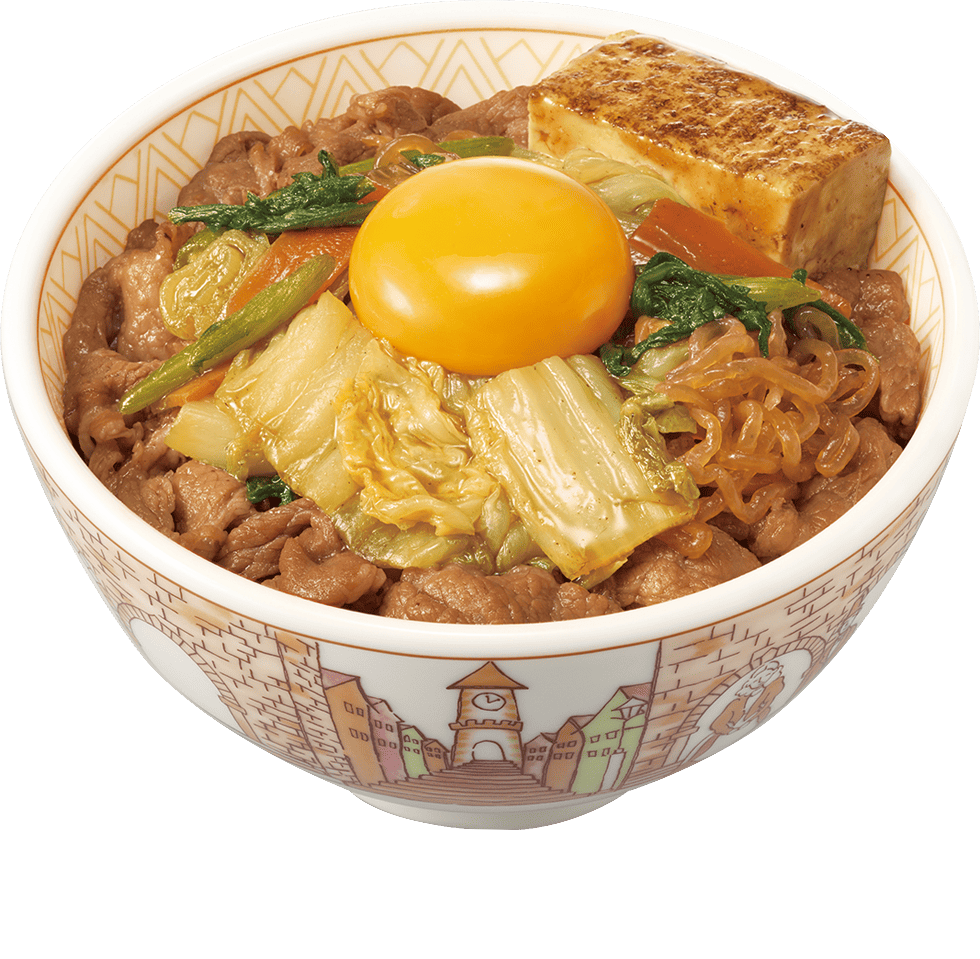
You will often see foods featuring an egg yolk to imitate the moon, with seasonal touches added to an original product. Yes, just like the famous “Tsukimi Burger” from some major fast-food chains!
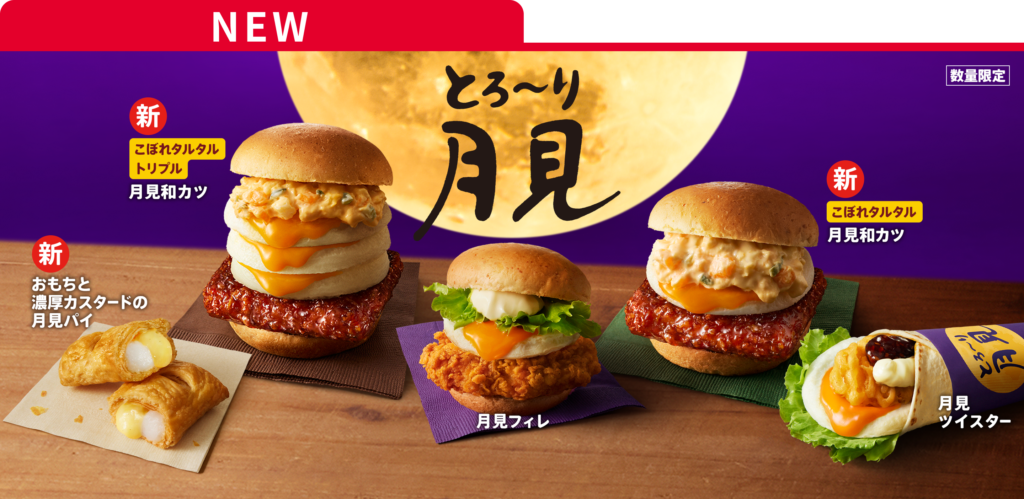
This year, I also spotted some Tsukimi sweets at a convenience store.
This is one of my favourite things about Japanese seasonal culture: an old tradition can become something surprisingly modern. You can find the moon not only in poems and traditional celebrations, but also in burgers, sweets, drinks, and convenience-store products!
So when you see 月見 on a Japanese menu or product package, you can think of it as a little seasonal signal: “This is inspired by moon viewing.”
There is another interesting autumn word that you may come across.
As the days get shorter, the nights grow longer in autumn. This is said to be one of the reasons September is called Nagatsuki (長月) in the traditional Japanese calendar.
You may see it written as ながつき or ながづき, and pronounced nagatsuki or nagazuki. One traditional explanation connects the name with Yonaga-zuki (夜長月), meaning “the month of long nights,” which was eventually shortened to Nagatsuki.
Notice another useful word here:
Yonaga (夜長) = a long night
It is made from yoru (夜, night) and nagai (長い, long), although the form changes when they come together.
And this gives us a lovely expression:
秋の夜長 — aki no yonaga
Literally, “the long nights of autumn.”
It has a slightly poetic feeling to it, and you might use it when talking about how pleasant it is to spend quiet evenings during autumn.
For example:
秋の夜長に読書を楽しむ。
/Aki no yonaga ni dokusho o tanoshimu./
“To enjoy reading on the long autumn nights.”
I love how much meaning can be packed into these seasonal expressions. A single expression like aki no yonaga can tell us something about the season, Japanese culture, and even the way people traditionally experienced the passing of time.
So, what would you like to enjoy on these long, calm, cool autumn nights?
A good book? A cup of tea? Some seasonal sweets? Or perhaps… a little Japanese study? ☺︎
Photo by Neven Krcmarek on Unsplash

コメント