
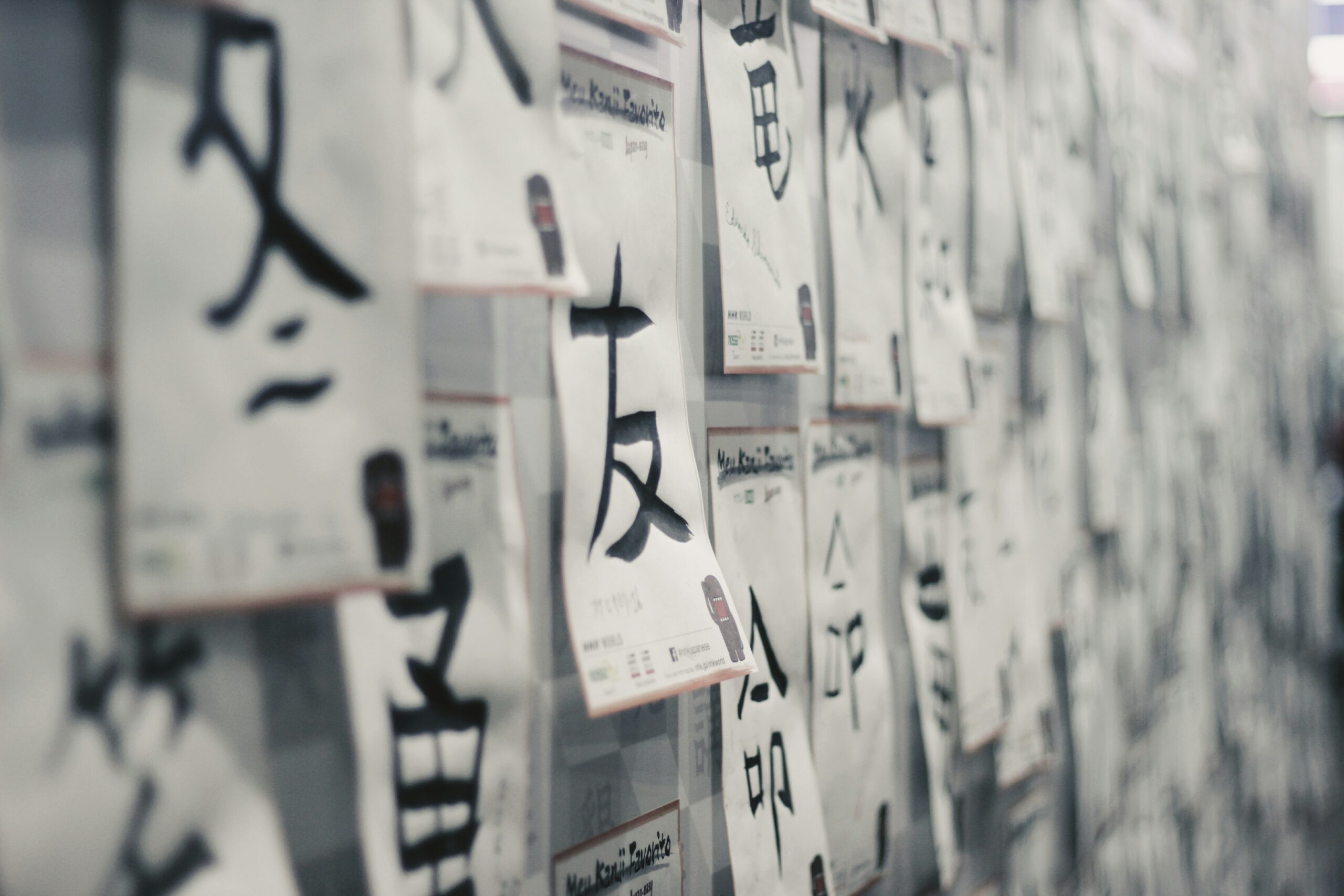
As you learn Japanese, kanji can sometimes feel like climbing a never-ending mountain, can’t they? But did you know that native Japanese speakers also go through a long, highly structured learning process?
Understanding how Japanese students learn kanji can offer valuable insights—and practical strategies—for your own journey.
The Kanji Curriculum: A Japanese Student’s Path
In Japan, students learn a specific set of kanji throughout their primary and secondary education.
By the end of Year 9, they are expected to master the 2,136 jouyou kanji (常用漢字), the characters officially designated for everyday use.
This is roughly divided as follows:
- Elementary School (Aged 7–12): 1,026 kanji
- Junior High School (Aged 13–15): 1,110 additional kanji
Imagine learning over a thousand new characters in just six years! So, how do they do it?
Methods Used in Japanese Schools (and How You Can Adapt Them)
Repetition, Repetition, Repetition
Japanese students write kanji… a lot.
They practise stroke order meticulously, often filling entire notebooks with repeated characters.
- How learners can adapt this: Rote memorisation may not be the most exciting method, but consistent practice really does matter. Use kanji-writing apps, flashcards, or create your own practice sheets. Short, regular study sessions are usually far more effective than occasional marathon sessions.
Contextual Learning
Kanji are introduced through words, sentences, and real-life usage. Students learn to recognise kanji in context rather than as isolated symbols.
- How learners can adapt this: Try learning kanji through vocabulary instead of memorising individual characters on their own. When you encounter a new kanji, don’t stop at the meaning and readings—learn several words that use it. Reading Japanese texts regularly also helps reinforce kanji naturally.
Mnemonics and Radicals
Although not always taught explicitly, many teachers use mnemonics (memory aids) to help students remember kanji. Learning radicals—the building blocks of kanji—is also heavily emphasised.
For example, the kanji 親 (parent) consists of three parts: 立 (standing), 木 (tree), and 見 (looking). When I was a student, my teacher told us to remember it like this:
“Your parents are standing in a tree looking at you.”
It sounds a little strange, but that’s exactly why it sticks in your memory.
- How learners can adapt this: Explore mnemonic techniques! Many textbooks and online resources use stories and visual imagery to make kanji more memorable. Learning common radicals will also make it much easier to understand the structure and meaning of unfamiliar kanji.
Kanji Tests and Drills
Regular tests and drills are an important part of the Japanese school system.
- How learners can adapt this: Test yourself regularly. Use online quizzes, create your own flashcard tests, or ask a tutor or language partner to quiz you from time to time.
Tips for Improving Your Kanji Learning
- Set realistic goals. Don’t try to learn everything at once. Focus on mastering a manageable number of kanji each week.
- Prioritise the jouyou kanji. Since these are the most commonly used characters, they will give you the greatest return for your effort.
- Use a variety of resources. Don’t rely on a single textbook or app. Combining different methods keeps learning engaging and reinforces retention.
- Make it personally relevant. Connect kanji learning to your interests. If you enjoy cooking, learn kanji related to food and recipes. If you like travelling, focus on signs, transport, and place names.
- Don’t be afraid of mistakes. Everyone struggles with kanji at times—even Japanese children (and I) do. The important thing is to keep going.
- Find a community. Connecting with other learners online or in person can help you stay motivated, exchange tips, and make the process more enjoyable.
Learning kanji is undoubtedly challenging, but it is also incredibly rewarding. By understanding how Japanese students approach kanji—and adapting those methods to suit your own learning style—you can make steady, meaningful progress.
And remember: even native speakers learned them one character at a time.


コメント