

Welcome to the Japanese with Yoshie Podcast!
This is a friendly space where you can improve your Japanese through natural listening. You can use each episode to practice your listening skills, shadowing, and learn natural phrases, pacing, and everyday expressions.
If you would like access to the full, accurate transcript, a nuanced English translation, a vocabulary list, and comprehension quizzes, please consider subscribing to my Substack!
Japanese Transcript
日本語を学んでいる皆さん、こんにちは。 よしえです。お元気ですか?
先日、Q&Aをやってみようと思うので 何か質問はありますか?っていう風に投稿したときにお返事くださった方がいたので、 今日はそれらの質問に、私なりに答えてみたいと思います。
まず、いい機会なので質問に答える前に私がなぜこのポッドキャストを始めようと思ったのかっていうことについて、少し詳しく話したいなと思います。
一番初めのエピソードの冒頭で少しお話しはしたんですけど、改めてお話しさせてください。
私はこのポッドキャストは基本的に中級から上級レベルの方が、自然な日本語を聞く練習として使ってもらえるようにっていうことを考えながらいつも録音しています。
なので、初級レベルの文法を意識して、こう、ちょっと計算して話すとか、上級レベルと言われる語彙をあえて使わないとか、そういうようなことは全くしていません。
とにかく、いつも1つのエピソードで1つのトピックについて話すっていうことだけを 決めて、それについて私がとにかく自由に頭に浮かんだことを自然に話すっていう風にしています。
台本というかスクリプトみたいなものは一切書いていないので、私が普段話すような、とても自然な日本語だということができると思います。
このポッドキャストでは基本的に、「です・ます調」いわゆる丁寧形の言葉を使って話しています。
セミ・カジュアルなんていう風に言えると思います。
一つお伝えしたいのは、 私はたくさんいる日本人の中の一人に過ぎなくて、世の中にはたくさん日本語のコンテンツを作っている人がいて、たくさん日本語の先生がいて、私はその中の一人に過ぎないんですけど、その中で、私の話し方とか言葉選びとか、抑揚のつけ方とか、そういうことを、一教材として使ってみようかなっていう風に思ってくださる方がいたら、すごく嬉しいです。
私自身、過去に英語の練習をすごく頑張っていたとき、 自分の好みの英語を話す人をYouTubeで見つけて、その人がトークショーでお話ししている動画とかインタビューに答えている動画とか、そういうのをよくシャドーイングして、抑揚のつけ方とか発音とか、そういうのを、できる限り真似していました。
そこで結構、表現とかイディオムとか覚えたりして、後々の会話で結構自然に使えるようになったりとか、そういうこともあるので、私のポッドキャストも、皆さんにとってちょっとでも便利だなって思ってもらえたらいいなって思いながら作っています。
ここで共有しているポッドキャストの内容を題材にした「ポッドキャスト・レッスン」っていうものも、Substackに毎週投稿中です。
YouTubeの動画にClosed Captionの設定をしていて、日本語と英語両方の字幕もあるんですけど、Substack上で公開しているトランスクリプトには、キーワードのハイライトもありますし、英訳はニュアンスを捉えたものになっているので、自分のペースで、リスニングと内容理解と、 コンテクストから語彙を学ぶこと、それから、プロンプトもつけているので、それを使って自分の意見を出すこと、そういった練習がしたい方は、ぜひSubstackの有料プランを検討してみてもらえたら嬉しいです。
はい。ちょっとここまで少し長くなってしまったんですけれども、頂いた、いくつか の質問に答えてみましょう。
英語で書いてもらっているので、英語をそのまま読んで、日本語で答えていきますね。
1つ目が
“How to make friends with Japanese without intruding their privacy?”
「日本人と友達になる時相手のプライバシーに踏み込みすぎないためにはどんなことに気をつければいいですか?」
という質問ですね。
あの、きっとどの文化も同じだとは思うんですけど、例えば年齢とか収入とか恋愛とか結婚とか、 あとは、住所、どこに住んでるかとか、その人の生活圏とか、そういうのは急に聞かないのがやっぱり無難ですよね。
相手がそういった話を自分からしてきたら、少し範囲を広げて話すくらいがいいんじゃないかなと思います。
年齢に関しては、私個人の考えで は、まあ、ちょっと会話が弾んだ後だったら、「差し使えなければ、おいくつですか?」っていう感じで年齢を聞いてみてもいいと思うんですよね。
それによって、敬語で話すことを続けるのか、関係性の進展によってはカジュアルなタメ語に切り替えることもあると思います。
はい。ちゃんと答えになってるかな?
次に行きたいと思います。
“Which topics do Japanese feel comfortable talking while making new friends?”
先ほどの質問にちょっと繋がりますよね。
えっと、日本語でまず言うと、
「初対面の人と友達になる時日本人は どんな話題なら気軽に話しやすいですか?」
という質問ですね。
これもまあ、あの、相手が誰かによるとは思うんですけど、同世代の人なら、仕事が休みの日は何をするのが好きかとか、最近見た面白いドラマや映画はあったかとか、私だったら、出身地はどこですか?って聞かれた時に結構話を広げやすいです。
地元のことなので、お勧めとかもしやすいし、すごく話しやすいトピックだと思います。
最近、本当の話ですけど、 海外出身の人に初めて会った時に、日本のどこ出身ですか?って聞かれて、「山梨県です」と答えて、「ああ、河口湖に行ったことありますよ!」ってその人が言って、私、河口湖が大好きなので、その話題で盛り上がったりとか。
山梨県の果物とかスイーツの話をしたりとか、富士山が綺麗に見えるスポットの話をしたりとか。
うん。すごく楽しい会話をしました。
まあ、なので、趣味とか食べ物とか旅行とか仕事の一般的な話とか最近見たものとか、 そういうような質問が無難かな、話しやすいかな、と思います。
はい。では次。
“Any driving tips or must-knows for driving or parking in Japan, particularly the kansai region? I will be travelling there with my family in October for our first overseas road trip ever. We drive on the same side of the road as Japan in my country but I’m nervous about missing out on cultural rules / road rules that may be different from what we are used to.”
えっと、日本語で言うと、
「日本で運転や駐車をする時のコツや知っておいた方がいいことはありますか?特に関西地方での運転について知りたいです。 10月に家族で旅行する予定で、今回が初めての海外でのレンタカー旅行になり ます。私の国も日本と同じ側を走るので運転そのものは大丈夫だと思うのですが、日本独自のマナーや交通ルールなど普段と違う点を見落としてしまわないか少し不安です。」
っていうような感じの内容ですね。
そう。えっと、先に正直に話しておくと、私はね、もう本当に、長い間ペーパードライバーだったんですよ。
で、去年ついに、あまりに車に乗らない生活が続いてるからっていうのもあって、ちょっと面倒だなと思って、 ついに免許証の更新に行かなかったんですね。
だから今、無免許なんです、私。
車に乗れない立場なので、この質問にきちんと答えられるかなって思ってはいたんですけど、でもとても大切なことですよね。
だからちゃんと調べました。
しかも、あの、 こちらの方は特に関西地方での運転について知りたいって書いてくださったので、 私は今東京に住んでいるし、もちろん関西地方を運転したこともないので。そう。
あまり無責任な回答はできないと思っているんですけど、でも、 誰もが知っている基本的な交通ルールで、それがもしかしたら海外から来る人にとっては当たり前ではないかもしれないっていう前提のもと、ちょっとお話ししますね。
おそらく基本的な情報は、調べられてると思うんですけど、私が例えばヨーロッパに住んでいたときによく見たのが、路上駐車なんですね。
で、日本は路上駐車は基本的に禁止です。
で、有料駐車場が色々なところにあるはずなので、目的地が決まったら、その周辺にある有料駐車場をいくつか事前に調べて、どこに止めようかなって候補に挙げておくと安心だと思います。
あと、私これは、あまり知らなかったことなんですけど、関西地方で注意するべき交通事情と運転ポイントっていうのがあって。
ちょっとここからは「のりれん」という名前のウェブサイトを引用しながらお話ししますね。
ここからウェブサイトの文章を読み上げます。
「関西地方は、都市部の交通量の多に加え、独特の運転、道路環境が特徴です。初めて運転する場合は地域特有の交通事情を理解しておくことで、スムーズで安全なドライブができます。」
とのことです。
で、地域特有の交通事情って私も何だろうって思って、 ちょっと読み進めていくと・・・。
以下も引用です。
「距離が近く割り込みも多い。
右折左折のタイミングがシビア。
クラクションを使う場面が比較的多め。
ポイントが2つあります。
❶周囲の流れに合わせ無理はしない。
❷急な進路変更は避ける。
流れに乗る意識が重要です。」
とのことです。
そうね、あの、大都市での運転に慣れてらっしゃるなら、そんなにびっくりするような内容じゃないかもしれないんですけど、こんなようなことが書かれています。
あとは、運転中によく見る標識、 運転する時に従わなければいけない交通ルールのサインのことを話しますね。
まあ、 これは語彙の練習にもなると思うんですけど、いくつか一緒に見てみましょう。1 つ目はやっぱり「止まれ」ですよね。
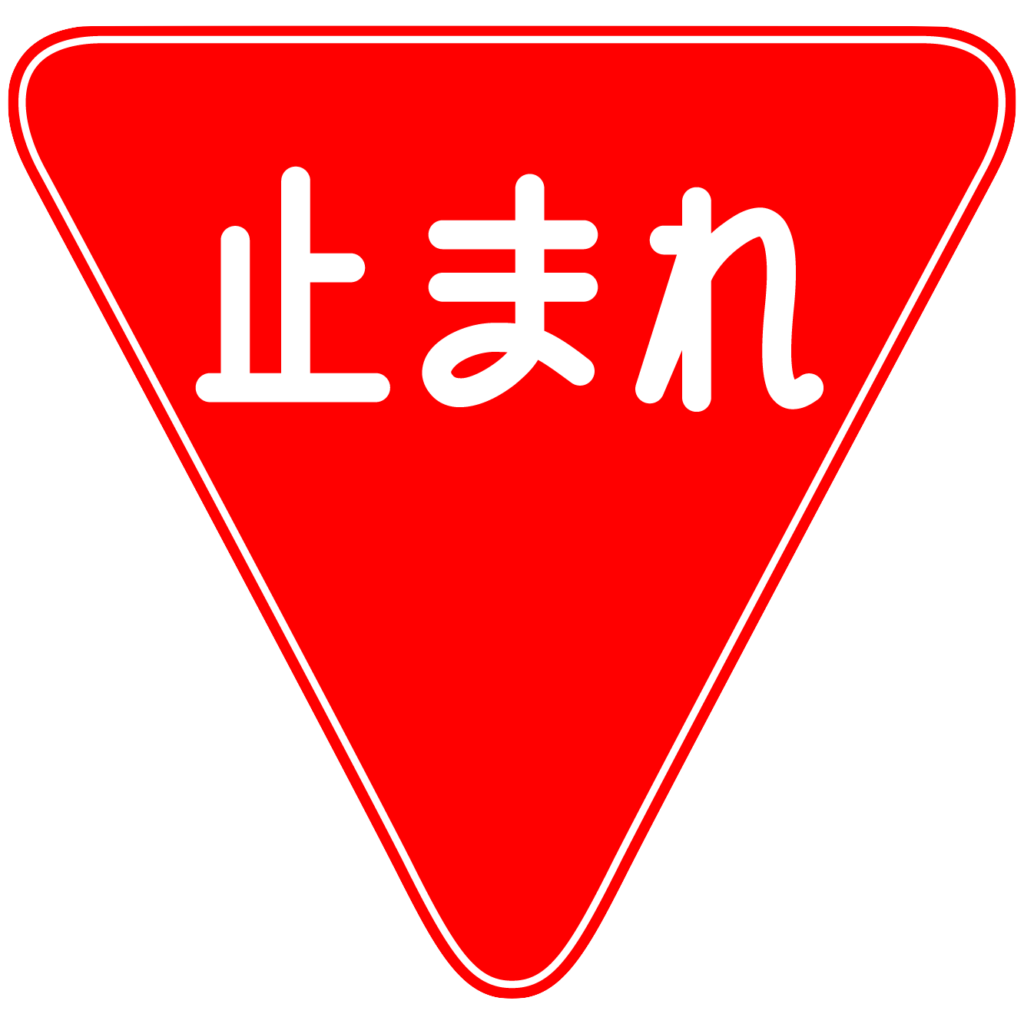
「止まれ」って書いてあるサインを見たら、必ず停止して安全確認をする、ですね。
いくら減速したとしても、一時停止しなかったらダメっていうことなんですよね。
たまたまお巡りさんが近くにいたりしたら、普通に止められると思います。
次は、「通行止め」かな。

「通行止め」って書いてあったら、そこを車で通ることはできないので、他のルートを探さなきゃいけないということになりますね。
あとは「一方通行」とかかな。

「一方通行」は、この方向だけ通行できますよ。通ることができますよ。ということなので、こちらから車が入る時は、向こう側からは車は来ないということなので、そうですね、矢印の向きに従って通ります。
逆走するのは本当に危ないことですね。
先ほど、日本には路上駐車の文化がないので、基本的に駐車場に車を止めるっていう話をしたんですけど、例えば有料駐車場を探す時、 パーキングの「P」って大きく書いてあるので見つけやすいと思います。
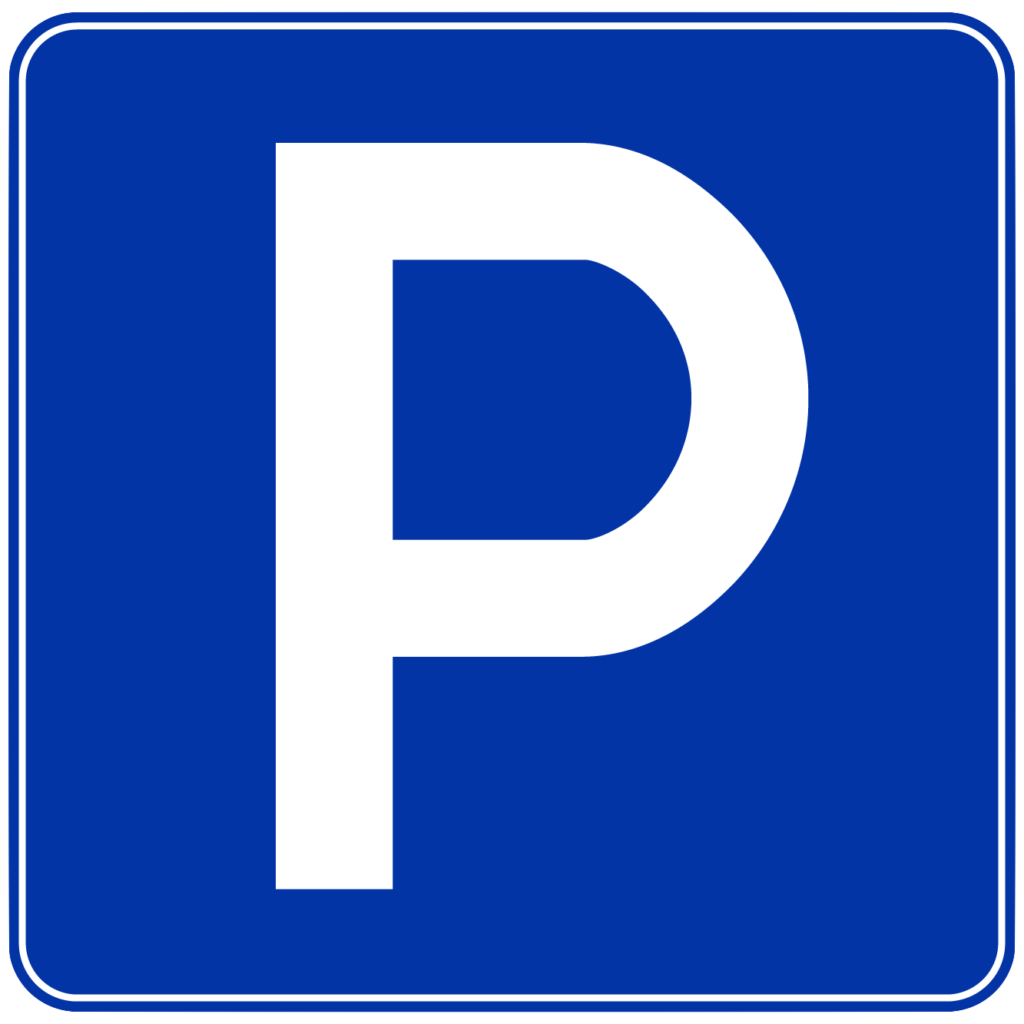
駐車場は「P」の マークですね。
あとは、コンビニとかレストランとかに車で行くこともあるかもしれないんですけど、その時に見かけるかもしれない「前向き駐車」っていうものがあります。
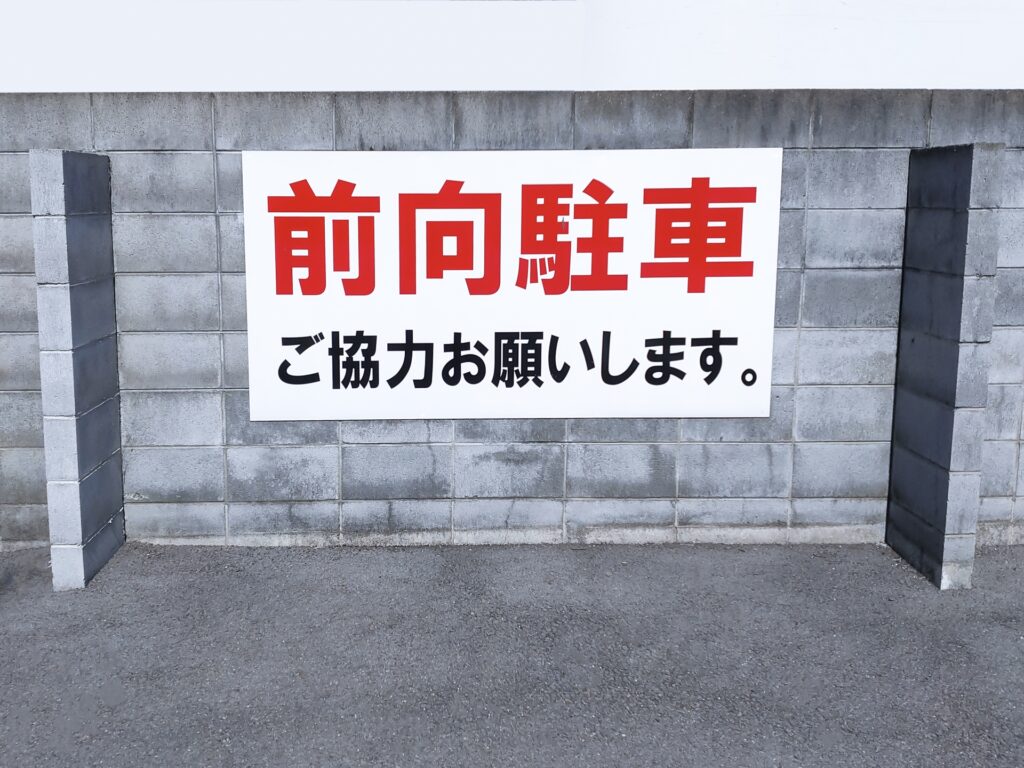
「前向き駐車」っていうのは、車の前の部分を駐車スペースに入れるという意味ですね。
で、これはあの、正式な道路標識ではなくて、その駐車場の所有者の人が設置する看板らしいので、それをしなかったからといって交通違反にはならないそうなんですが、まあ、ドライバーのマナーとして守ることが推奨されているとのことです。
「前向き駐車」または「前向き」とだけ書かれていることも多いと思うんですけど、この マークを見たら、車の前の方から駐車スペースに入れる。
それが正解です。
日本独自の、関西独自の運転マナーや交通ルール、こんな感じでいいでしょうか?
細かいことを言い出したら多分キリがないんですけど。
そしておそらく、旅行の前にご自身で もたくさん調べられると思うので、私からはとりあえずこのくらいにしておきますね。
何か私にできることがあったら、DMでやり取りしましょう。
質問ありがとうございます❤︎
では最後に、
“Do you have any Japanese novels you would recommend to students trying to read in the language?”
「日本語を勉強している 学生が日本語で読むのにおすめの日本の小説はありますか?」
という質問ですね。
あの、私この質問を受けた時に必ずお勧めしてる本があって、私自身が大好きな本が あって、それがあの、「横道世之介」というタイトルです。
吉田修一さんという作家の本 で、いわゆる青春小説と言えるかな。
主人公の名前が本のタイトルでもある横道世之介なんですけど、世之介は大学進学のために長崎県から東京都へ出てきた若い男の人なんですね。
お人よしで、少しのんびりした世之介が、友達とか恋人とか、周りの人たちと過ごす大学生活が描かれています。
そうね、何気ない日常とか、人との出会いとか、そういうものが、後から大切な思い出になっていくっていう、そういうところがすごく魅力的なストーリーです。
この世之介が本当に、あの、誰もが好きになっちゃう感じの性格というか人柄で、すごく温かくて、で、ちょっと切ないっていう感じの物語です。
日本語自体はそんなに難しくないというか、いわゆる本当に上級の難しい語彙が使われているとか、難しい表現が使われているとか、そういうのでは ないので、日本語を読むことに慣れている 人なら十分楽しめるのではないかなと思い ます。
ぜひ読んでみてください。
はい。今日はここで終わりにしたいと思います。
質問を送ってくださった方、本当にありがとうございました!
また、私に何か聞きたいこととか、勉強のアドバイスとかほしいなと思う人がいたら、いつでも連絡くださいね。
それではまた、次の ポッドキャストのエピソードでお会いしましょう。
さようならー!
English Translation
Hello everyone learning Japanese! It’s Yoshie. How are you?
The other day, I posted asking if anyone had any questions because I thought it might be fun to do a Q&A, and I had a few people get back to me. So today, I thought I would answer some of those questions in my own way.
First of all, since this seems like a good opportunity, before I get into the questions, I would like to talk a little more about why I decided to start this podcast in the first place.
I talked about it briefly at the beginning of the very first episode, but I thought I would explain it again.
When I record this podcast, I’m basically always thinking about how it can be used by intermediate to advanced learners to practise listening to natural Japanese.
So I’m not consciously trying to use beginner-level grammar, or deliberately speaking in a slightly calculated way, or avoiding vocabulary that might be considered advanced. I don’t do any of that at all.
Basically, the only thing I decide beforehand is that I’m going to talk about one topic in each episode. Then I just talk freely and naturally about whatever comes into my head.
I don’t write a script or anything like that beforehand, so I think you could say that the Japanese I use is very natural Japanese, just like the way I normally speak.
In this podcast, I basically use desu/masu style, which is the polite form of Japanese. I suppose you could describe it as semi-casual.
One thing I would like to say is that I’m just one person among the many, many Japanese people out there. There are lots of people creating Japanese-language content, and lots of Japanese teachers, and I’m just one of them.
But if there are people who think, “Maybe I’ll use Yoshie’s way of speaking, her choice of words, the way she uses intonation, and so on, as one of my learning resources,” then that would make me really happy!
When I was working really hard on improving my English, I found someone on YouTube whose English I really liked. (I still do, actually.) I used to watch videos of them talking on talk shows or doing interviews, and I would often shadow them, trying to imitate their intonation and pronunciation as much as I possibly could.
I picked up quite a lot of expressions and idioms that way, and eventually I found that I could use them quite naturally in conversations. So I make this podcast hoping that it might be even a little bit useful to you in the same way.
I also post something called “Podcast Lessons” on Substack every week, based on the content I share on the podcast.
The YouTube videos have Closed Captions, with both Japanese and English (and other languages) subtitles. But the transcripts I publish on Substack also have key vocabulary highlighted, and the English translations capture the nuances of the original.
So, if you would like to practise listening and understanding the content at your own pace, learn vocabulary from context, and give your own opinions using the prompts I include, I would really appreciate it if you would consider taking a look at the paid Substack plan.
Right, I have talked for quite a while before even getting to the questions, but let’s have a go at answering some of the questions you sent in.
They were written in English, so I will read them out in English and then answer in Japanese.
The first one is:
“How to make friends with Japanese without intruding their privacy?”
I think this is probably the same in most cultures, but, for example, it’s generally best not to suddenly ask someone about their age, income, romantic relationships, whether they are married, their address, where they live, or the area where they spend most of their time.
If the other person brings up those kinds of topics themselves, then I think it’s fine to expand the conversation a little and talk about them more.
As for age, personally, I think that once you’ve had a good conversation and you’ve got to know each other a little, it’s perfectly fine to ask something like, “If you don’t mind me asking, how old are you?”
Depending on their age, you might continue speaking politely, or, as the relationship develops, you might switch to casual speech, or tame-go (タメ語).
So… I hope that actually answered the question!
Let’s move on to the next one.
“Which topics do Japanese feel comfortable talking while making new friends?”
This is actually quite closely related to the previous question.
I think it depends on who you are talking to, but if you are around the same age, you could ask things like what they like doing on their days off, or whether they have watched any interesting TV dramas or films recently.
Personally, when someone asks me where I’m from, I find it quite easy to keep the conversation going.
It’s about your hometown, so it’s easy to recommend places and things, and I think it’s a really easy topic to talk about.
Actually, this really happened to me recently. I met someone from overseas for the first time, and he asked me, “Which part of Japan are you from?” I said, “Yamanashi Prefecture,” and he replied, “Oh, I’ve been to Lake Kawaguchi!”
I absolutely love Lake Kawaguchi, so we ended up getting really excited talking about that.
We talked about fruit and sweets from Yamanashi, and places where you can get beautiful views of Mount Fuji.
It was a really fun conversation.
So, I think questions about hobbies, food, travel, general things about work, things you have watched or seen recently, and topics like that are probably fairly safe and easy to talk about.
Right, next question.
“Any driving tips or must-knows for driving or parking in Japan, particularly the Kansai region? I will be travelling there with my family in October for our first overseas road trip ever. We drive on the same side of the road as Japan in my country but I’m nervous about missing out on cultural rules / road rules that may be different from what we are used to.”
So, first of all, I should be honest with you: I was actually a paper driver for a really, really long time!
And then last year, partly because I’d gone for so long without driving at all, I thought, “This is a bit of a hassle,” and eventually I didn’t even go to renew my driving licence.
So I’m actually unlicensed now. (Yeah.)
Since I’m not in a position to drive, I did wonder whether I would be able to answer this question properly. But it’s obviously a very important question, so I did some proper research.
And this person specifically asked about driving in the Kansai region. I live in Tokyo now, and of course I have never driven in Kansai myself. :’)
So I don’t want to give you an irresponsible answer. But I will talk about some basic traffic rules that everyone in Japan would be expected to know, but which might not necessarily be obvious to someone visiting from overseas.
I’m sure you have already looked up a lot of the basic information yourselves, but one thing I often saw when I was living in Europe, for example, was street parking.
In Japan, parking on the street is basically prohibited.
There should be paid car parks in various places, so once you know where you are going, I think it would be a good idea to look up a few paid car parks in the area beforehand and have a couple of options in mind. That way, you will feel more at ease when you get there.
There is also something I didn’t really know much about myself: there are apparently some particular driving conditions and things to look out for in the Kansai region.
So, from here, I’m going to talk about this while referring to a website called Noriren.
Let me read out what the website says.
“Kansai is characterised by heavy traffic in urban areas, as well as distinctive driving styles and road conditions. If you are driving there for the first time, understanding the region’s particular traffic conditions can help you have a smoother and safer drive.”
And I thought, “I wonder what these region-specific traffic conditions are?” So I read on…
The following is also a quote:
“Drivers tend to follow at close distances, and cutting in is common.
The timing for turning right or left can be quite demanding.
Car horns are used relatively frequently.
There are two key points:
- Go with the flow of traffic, but don’t push yourself.
- Avoid making sudden lane changes.
It’s important to be conscious of keeping up with the flow of traffic.”
So, if you are already used to driving in a big city, maybe none of that will sound particularly surprising. But that’s what the website says.
Next, I thought I would talk about some of the road signs you are likely to see when driving—the signs showing the traffic rules you need to follow.
This should be good vocabulary practice too, so let’s have a look at a few of them together.
The first one is probably “止まれ” — “Stop.”
If you see a sign that says 止まれ, you must come to a complete stop and check that it’s safe before proceeding.
Even if you slow down considerably, it’s not enough. You have to actually stop.
If there happens to be a police officer nearby, they could quite easily pull you over for not stopping properly. XD
Next, there’s 通行止め — “Road closed.”
If you see 通行止め, it means you can’t drive through there, so you will need to find another route.
Then there’s 一方通行 — “One way.”
一方通行 means that traffic can only travel in this direction. So if you are entering from this side, it means cars won’t be coming towards you from the opposite direction. You simply follow the direction of the arrow.
Driving the wrong way down a one-way road is, of course, extremely dangerous.
Earlier, I mentioned that Japan doesn’t really have a culture of street parking, so you will generally need to leave your car in a car park.
When you are looking for a paid (or free ones at the places you are visiting!) car park, you will probably find them quite easy to spot because they often have a big “P” on the sign.
The “P” symbol means parking.
You might also drive to places like convenience stores or restaurants, and when you do, you may come across something called 前向き駐車.
“前向き駐車” means that you should drive into the parking space forwards, so that the front of your car goes into the space first.
Apparently, this isn’t an official road sign. It’s a sign put up by the owner of the car park, so apparently you won’t be breaking a traffic law if you don’t follow it.
However, it’s recommended as a matter of good driving etiquette.
You will often see 前向き駐車, or sometimes just 前向き, written on a sign.
When you see this, you should drive into the parking space forwards, with the front of the car going in first.
That’s the correct way to park.
So, how does that sound for some Japan-specific—or Kansai-specific—driving etiquette and traffic rules?
If I went into every little detail, I could probably go on forever.
And I’m sure you will do plenty of research yourselves before your trip, so I think I will leave it there for now.
If there is anything else I can help you with, feel free to get in touch by DM!
And thank you for the question! ❤︎
Right, finally:
“Do you have any Japanese novels you would recommend to students trying to read in the language?”
There is actually one book that I always recommend when I’m asked this question, and it’s a book that I personally love.
It’s called 横道世之介 — “The Story of Yonosuke.” (or “A Story of Yonosuke”)
It’s a novel by the author Shuichi Yoshida, and I suppose you could describe it as a coming-of-age story.
The main character’s name is Yonosuke YOKOMICHI, which is also the title of the book. Yonosuke is a young man who moves from Nagasaki Prefecture to Tokyo to go to university.
He is kind-hearted and a little laid-back, and the story follows his university life and the time he spends with his friends, girlfriend and the other people around him.
What I find particularly appealing is the way the story shows how ordinary everyday moments and encounters with people can later become precious memories.
Yonosuke himself is the kind of person that pretty much everyone ends up falling in love with, personality-wise. He is warm-hearted, and there is also something slightly bittersweet about the story.
The Japanese itself isn’t particularly difficult. It’s not the kind of book that is full of extremely advanced vocabulary or complicated expressions.
So I think anyone who is reasonably comfortable reading Japanese should be able to enjoy it.
I really recommend giving it a read.
Right, I think I will finish here for today.
Thank you so much to everyone who sent in questions!
And if there is anything you would like to ask me, or if you would like some advice about studying Japanese, feel free to get in touch anytime.
I will see you again in the next episode of the podcast.
Bye~!

コメント