
Hello everyone,
As always, thank you so much for following my content and learning Japanese with me.
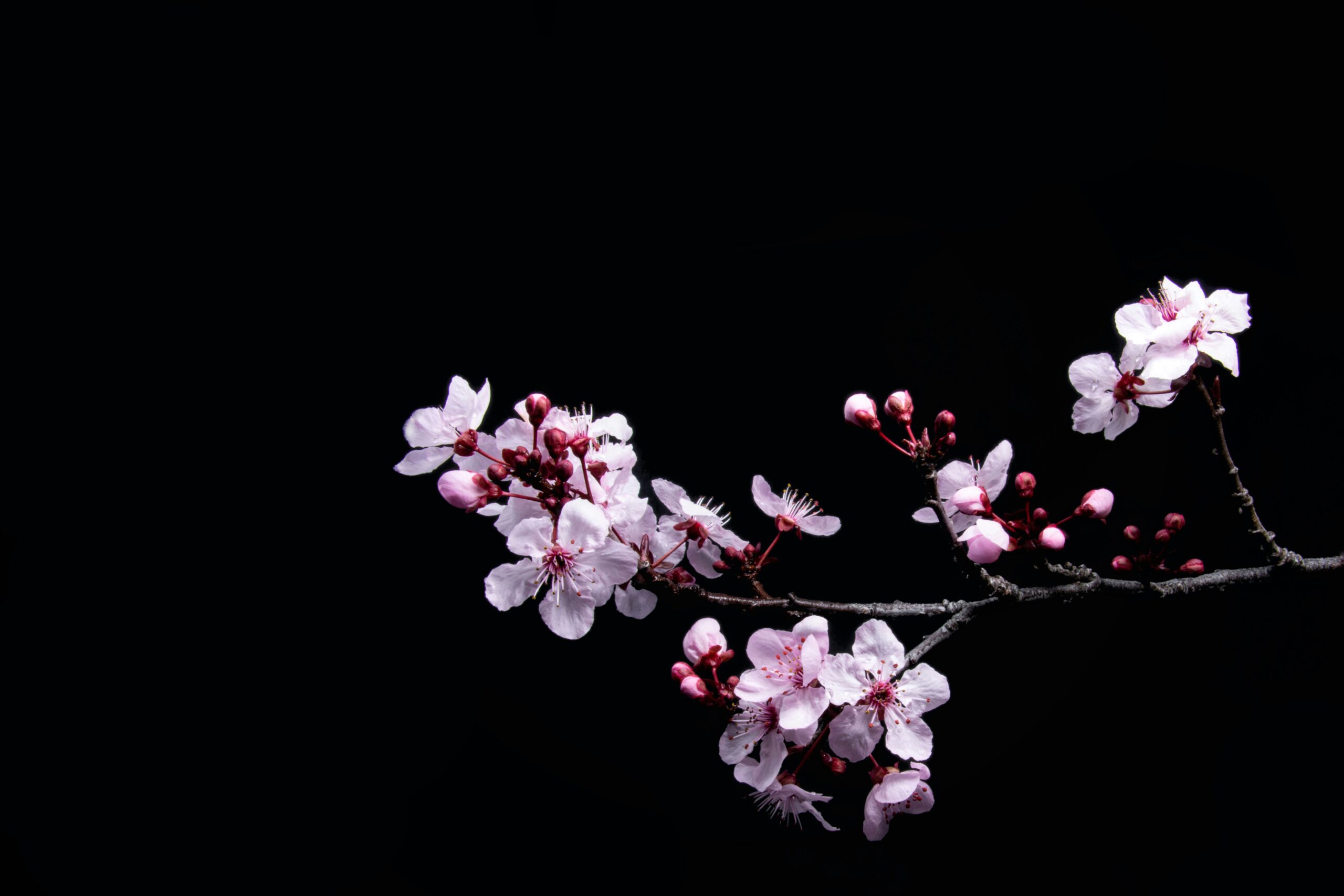
It’s officially sakura season here in Tokyo! The weather has been warm, perfect for a little stroll while enjoying the blossoms. I hope you’re doing well wherever you are.
In the traditional Japanese calendar, March is called Yayoi (弥生). Yayoi is also a common female name in Japan. It may sound a little old-fashioned, but it’s truly a beautiful name. When I was little, I had a teacher named Yayoi. I don’t remember whether her birthday was in March, but somehow I like to imagine that it was.
Today, I’d love to share two cultural aspects of sakura and its season. Sakura is not just a flower that blooms in spring—it is also a powerful metaphor for fleeting moments and impermanence.
SAKURA SAKU
The phrase 「サクラサク」 (written in katakana!) became popular as a concise telegram message used to announce success on university entrance exams. Its origin traces back to around the 1950s at Waseda University, where sakura saku (saku = to bloom) meant “pass,” while sakura chiru (chiru = to fall or scatter) meant “fail.”
Today, the phrase is used not only for exam success but also more broadly and metaphorically to describe efforts bearing fruit or things going well. The imagery of spring and cherry blossoms gives it a bright, celebratory feeling.
MONO NO AWARE
Sakura also represents fleeting beauty and impermanence in Japanese culture, closely tied to mono no aware (物の哀れ)—a sensitive awareness of life’s transience.
Cultural meaning: Sakura bursts into full bloom for only one to two weeks each spring, evoking joy mixed with a touch of sadness as the petals drift away. This beautifully mirrors the truth that all good things pass, gently reminding us to savour the present moment.
Historical background: Since the Heian period (794–1185), poets have captured sakura’s beauty and its inevitable fading in verse. Later, samurai likened it to a noble, short life in battle—glorious, yet brief.
In modern times: Hanami (cherry blossom viewing) gatherings beautifully blend festive picnics with quiet reflection on change. This theme continues to permeate art, stories, and daily life, encouraging us to focus on the present rather than endlessly chasing what comes next.
Do you notice impermanence in your daily life? Do you ever intentionally pause to cherish mono no aware?
I hope you are enjoying these warm and beautiful spring days.
Photo by David Brooke Martin on Unsplash


コメント