Thank you, as always, for learning Japanese with me. How have you been?
Sakura season has come and gone, and here in Japan we’ve moved into that true seasonal transition—warm days turning suddenly hot, interrupted by occasional heavy rain.
And now, as we enter Golden Week, people are beginning to unwind, rest their minds, and take a break from busy—sometimes stressful—daily life.
But what exactly is Golden Week?
Golden Week (ゴールデンウィーク / GW) is a string of public holidays that creates one of Japan’s biggest travel and leisure seasons. The holidays include:
- 昭和の日(しょうわのひ) — Showa Day (29 April)
- 憲法記念日(けんぽうきねんび) — Constitution Memorial Day (3 May)
- みどりの日 — Greenery Day (4 May)
- こどもの日 — Children’s Day (5 May)
Depending on the calendar, many people can turn this into a long break. Airports fill up, shinkansen get packed, tourist spots overflow, and people across the country shift into a very different mode.
But what makes Golden Week interesting for language learners isn’t just the holidays themselves.
It’s the conversations surrounding them.
Phrase 1: ゴールデンウィーク、どこか行く?
Golden Week—are you going anywhere?
This is a classic small-talk question. I actually asked a friend this last weekend.
Notice the casual 行く?
Textbooks often teach:
行きますか。
But among friends, it’s very common to turn the plain form of a verb into a question simply with rising intonation:
行く?⤴︎
This sounds much more natural and conversational.
You can use the same pattern:
- 週末はどこか行く?
- 明日仕事ある?
- 休みは実家に帰る?
This pattern works with all kinds of everyday verbs and adjectives, and native speakers use it constantly.
A small structure, but a huge payoff in sounding natural.
Phrase 2: どこ行っても混んでる
Everywhere you go is crowded.
During Golden Week, this is almost a national mantra.
どこ(に)行っても混んで(い)る。
Literally:
“Wherever you go, it’s crowded.”
Notice how the particle に and the い in the ている form often disappear in casual speech.
That gives us:
どこ行っても混んでる。
The grammar here is gold:
〜ても = even if / wherever / no matter where etc.
Examples:
- 何食べても美味しい
(Whatever you eat is delicious) - 誰に聞いても同じ
(No matter who you ask, it’s the same)
These are the kinds of patterns native speakers use constantly.
Phrase 3: 帰省する/実家に帰る
To go back to your family home
Many people say:
帰省するよ。/実家に帰るよ。
“I’m going back to my parents’ place.”
Learners often know 家, but miss 実家, which specifically means your family home.
And 帰省 means “returning to one’s hometown.”
Both are very common in adult conversation.
You’ll hear:
- 連休は実家帰る?
- 久しぶりに帰省した。
- ゴールデンウィークは実家でのんびりする予定。
And that last phrase brings us to…
Phrase 4: のんびりする
To take it easy / relax
Very Japanese.
Very useful.
今年のゴールデンウィークは家でのんびりする。
I’m relaxing at home this Golden Week.
Notice how often Japanese values are embedded in vocabulary.
Not every holiday is about doing something exciting.
Sometimes the ideal is simply:
のんびり。
~ Calmly. Unhurriedly.
That tells you something cultural too.
Cultural Note: Why Golden Week reveals so much about Japan
There’s an interesting contradiction.
Golden Week is supposed to be 休み — rest.
Yet it can be one of the least relaxing times to travel.
Packed trains.
Expensive hotels.
Crowded sightseeing spots.
Which is why many Japanese people joke:
ゴールデンウィークは出かけないのが一番!
The best thing during Golden Week is not to go anywhere!
There’s humour in that, but also realism.
I’m one of those people every year. 🙂
And that understated, practical irony feels very Japanese.
Understanding moments like this helps you understand not just vocabulary…
…but mindset.
Read-Aloud Challenge
Try reading these aloud naturally:
- ゴールデンウィーク、どこか行く?
- ゴールデンウィークはどこ行っても混んでるよね。
- 連休は実家でのんびりするよ。
Focus on rhythm, not individual words.
That’s where fluency starts.
One Thing to Notice This Week
If you see Japanese posts online around Golden Week, watch for recurring words:
混む — to be crowded
渋滞 — traffic
連休 — long weekend (consecutive holidays)
帰省 — going back to one’s hometown (slightly more formal than 実家に帰る)
のんびり — relaxing
You’ll start seeing them everywhere.
And once you notice them, they become part of your active Japanese.
That’s how you push past a plateau: not by memorising more words… but by noticing how real people keep reusing the same ones.
Thank you for reading all the way to the end.
I hope you have a wonderful May.
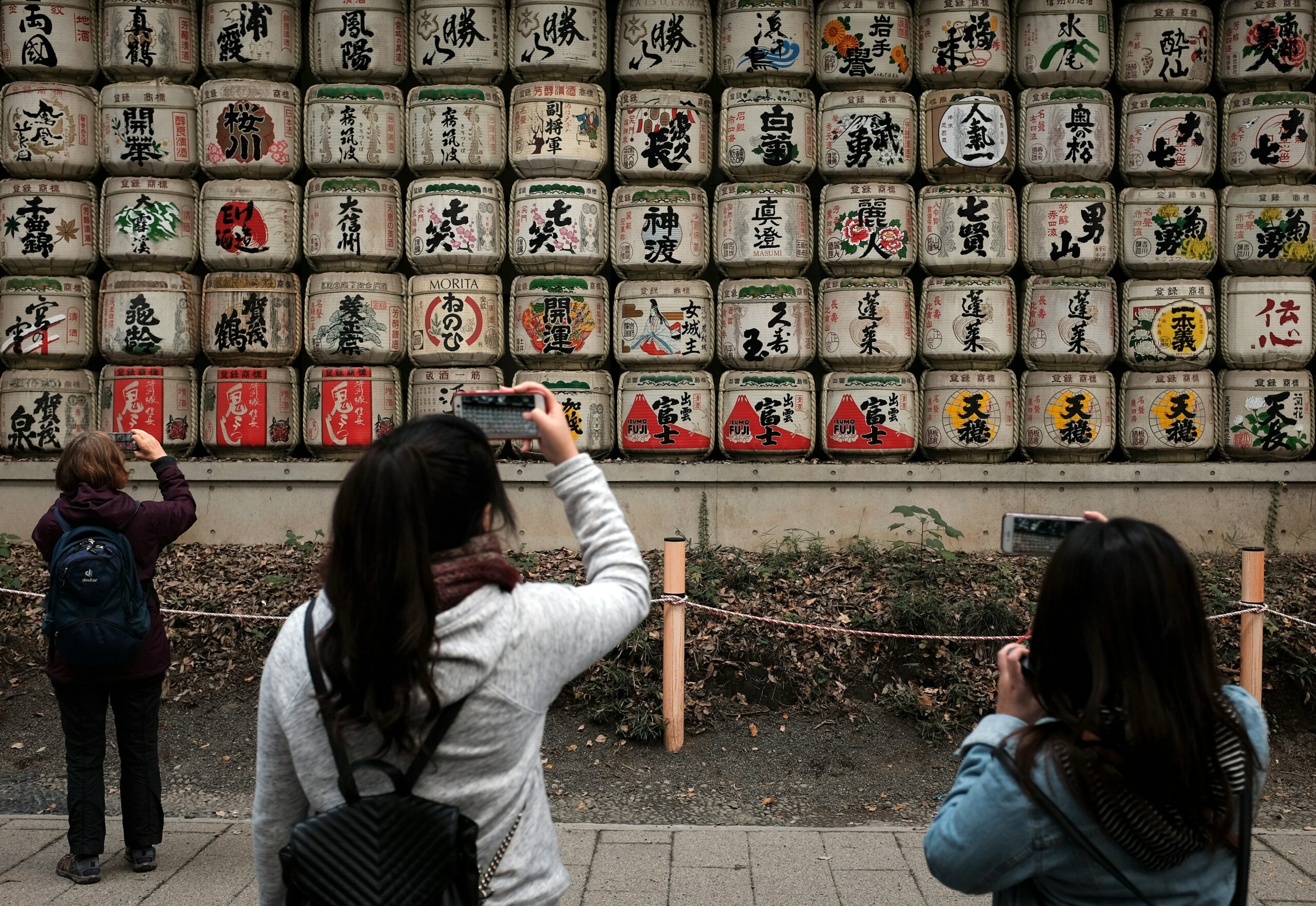
Photo by Hakan Nural on Unsplash

コメント