One thing many Japanese learners experience is this:
You understand the words… but somehow, you still feel confused.
You can follow the grammar. You know the vocabulary. Maybe you even passed the JLPT N1. But when you talk with Japanese people, it sometimes feels like there’s another layer of meaning happening underneath the conversation.
And honestly? There often is.
Understanding Japanese people is not only about understanding the language itself. It’s also about understanding the culture, the atmosphere, and the things that are not directly said out loud.
Japanese communication depends a lot on context, shared understanding, tone, and subtle hints. People often communicate indirectly, especially in social situations where maintaining harmony is important.
So if you’ve ever thought:
“Why didn’t they just say no?”
“Did they actually mean yes?”
“I feel like I missed something…”
…you’re definitely not alone.
Let’s talk about why this happens and how you can start understanding Japanese communication more naturally!
Japan Is a “High-Context” Culture
You may have heard people describe Japan as a high-context culture.
Basically, this means that people often expect others to understand things without everything being explained clearly and directly.
In some cultures, communication is very explicit:
People say exactly what they think
Opinions are stated clearly
“No” means “no”
But in Japan, a lot of meaning comes from:
~ the situation
~ the relationship
~ tone of voice
~ timing
~ silence
~ shared expectations
In other words, the context carries a lot of the message.
For example, if someone says:
ちょっと難しいかもしれないです。
That might be a little difficult.
…it may not literally mean “difficult.”
Sometimes it actually means:
“No.”
“I don’t think that will happen.”
“Please understand this isn’t possible.”
To many Japanese people, saying “No” directly can feel too strong or uncomfortable, especially in situations where they want to keep the atmosphere smooth.
空気を読む — “Reading the Air”
One of the most important ideas in Japanese communication is:
空気を読む (くうきをよむ)
“Reading the air.”
As you may already know, this means sensing the atmosphere and understanding what people are feeling or implying without them needing to explain it directly.
It’s about noticing small things like:
~ pauses
~ facial expressions
~ hesitation
~ silence
~ tone
~ reactions from the group
For example, imagine a group deciding where to eat.
Someone says:
何でもいいよ。
Anything is fine.
Sounds simple, right?
But depending on the situation, it could mean:
“I don’t want to decide.”
“I want everyone else to choose.”
“I actually don’t like the current suggestion.”
“I’m trying to be polite.”
This is why Japanese communication can sometimes feel difficult for learners. The literal meaning and the social meaning are not always the same thing.
And honestly, even Japanese people can misunderstand each other sometimes too.
Why Japanese People Often Speak Indirectly
A lot of learners ask:
“Why don’t Japanese people just say what they mean?”
But from a Japanese cultural perspective, being too direct can sometimes sound:
~ cold
~ aggressive
~ selfish
~ inconsiderate
Japanese communication is often influenced by the idea of maintaining harmony, or 和 (wa).
In many situations, people try to avoid:
~ embarrassing others
~ creating tension
~ making someone lose face
~ causing open conflict
So instead of saying:
“I disagree.”
Someone might say:
そういう考え方もありますね。
That’s one way to think about it.
Or instead of:
“I don’t want to go.”
They might say:
あとで予定を確認してみます。
I’ll check my schedule later.
The listener is expected to understand the feeling behind the words.
This can feel frustrating at first if you come from a culture where clear and direct communication is considered more honest. But in Japan, indirectness is often connected to kindness and social awareness.
Silence Has Meaning Too
In some cultures, silence feels awkward.
In Japan, silence is often completely normal.
Sometimes silence can communicate:
~ thoughtfulness
~ hesitation
~ disagreement
~ respect
~ emotional restraint
Japanese conversations often have more pauses than conversations in English.
And usually, people are not rushing to fill every quiet moment.
There’s also a cultural idea that says:
言わなくてもわかる
You understand even without me saying it
Of course, nobody is a mind reader. But culturally, there’s a strong appreciation for people who can sense what others are feeling without needing everything spelled out.
本音 and 建前
Another important concept is:
- 本音 (ほんね) → your true feelings
- 建前 (たてまえ) → the face you show publicly
This doesn’t mean Japanese people are fake.
It’s more about understanding that social situations sometimes require emotional balance.
For example:
- You may not fully agree with someone, but you avoid arguing publicly.
- You may be tired, but still act politely at work.
- You may not want to attend something, but go anyway to maintain relationships.
In many Western cultures, openly expressing your true feelings is often seen as honesty.
In Japan, adjusting yourself to the situation is often seen as maturity.
That difference in values can create misunderstandings between cultures.
Context Changes Everything
One tricky thing about Japanese communication is that the same phrase can mean different things depending on:
~ who is speaking
~ the relationship
~ tone
~ timing
~ the atmosphere
For example:
考えておきます。
I’ll think about it.
Sometimes it genuinely means:
“I’ll consider it.”
But sometimes it politely means:
“Probably not.”
This is why understanding Japanese people requires more than just translating words directly.
You also start learning:
~ emotional nuance
~ social expectations
~ conversational rhythm
~ implied meaning
That deeper understanding usually comes through experience, not textbooks.
Why Some Learners Feel Japanese People Are “Distant”
A lot of people learning Japanese say things like:
“Japanese people are polite, but hard to get close to.”
“People are friendly, but emotionally reserved.”
Part of this comes from differences in how emotions are expressed.
Japanese culture often values:
~ modesty
~ emotional control
~ subtlety
~ not burdening others emotionally
Relationships also tend to develop more slowly over time.
Instead of immediate openness, trust is often built through:
~ consistency
~ reliability
~ repeated interaction
~ shared experiences
So while people may seem distant at first, friendships in Japan often become very deep and long-lasting once trust is established.
So… How Can You Understand Japanese People Better?
Honestly, one of the biggest things is this:
Try not to focus only on the dictionary meaning of words.
Pay attention to:
~ tone
~ hesitation
~ atmosphere
~ pauses
~ facial expressions
~ what is not being said
And most importantly, don’t panic if things feel unclear sometimes.
Even advanced learners struggle with this because communication in Japan depends so much on subtle social understanding.
The good news is that this skill improves naturally the more real Japanese you experience.
Watching conversations, listening carefully, spending time with people, and noticing patterns helps a lot.
Little by little, you begin hearing the meaning behind the words.
Final Thoughts
Learning Japanese is not only about grammar and vocabulary.
It’s also about learning a different way of communicating and understanding people.
In Japan, communication is often less about saying everything directly and more about:
~ sensing the atmosphere
~ understanding context
~ considering others’ feelings
~ maintaining harmony
At first, this can feel confusing.
But over time, many learners start to notice something interesting:
Japanese communication can become incredibly rich, emotional, and nuanced once you learn how to listen beyond the literal words.
And that’s when conversations start feeling much more natural—not because your grammar suddenly became perfect, but because you started understanding the culture and mindset behind the language itself.
Thank you for reading to the end!
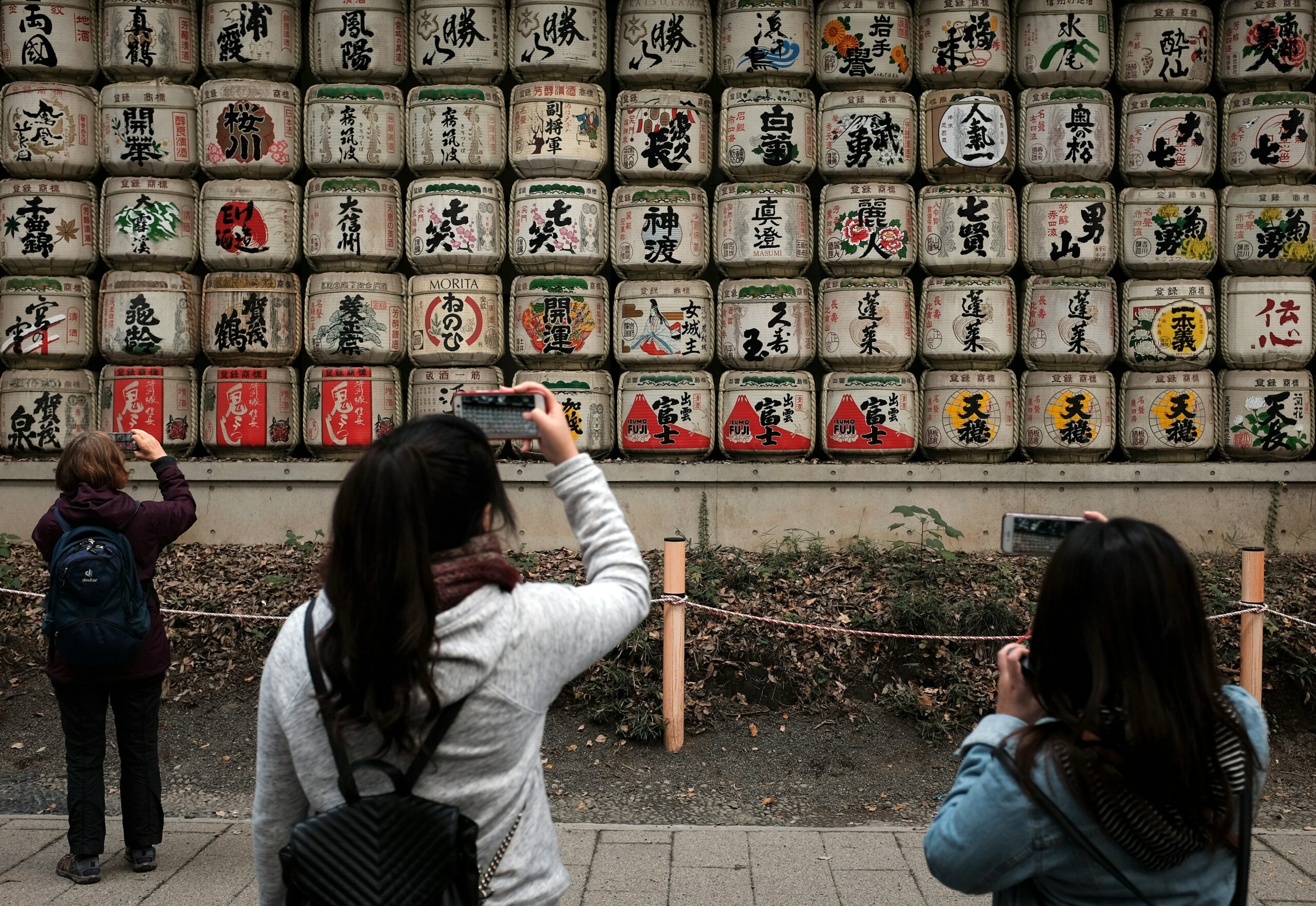
Photo by Antoine Pouligny on Unsplash

コメント